
Warmer floors in winter
Insulation batts between the joists stop cold air rising through the floorboards, so your feet stay warm and rooms heat up faster. This is especially noticeable in older Hampton homes with poor sealing under the floor.
Hampton
Underfloor insulation in Hampton eliminates cold floors and draughts by installing thermal batts between the joists under suspended timber floors. Expert Insulation Melbourne does the job with minimal disruption to your home.
Share your details and Expert Insulation Melbourne will contact you about Underfloor Insulation in Hampton.
Hampton homes with suspended timber floors often suffer from cold floors and draughts rising through the floorboards. Underfloor insulation fixes this by fitting bulk insulation batts between the floor joists in the subfloor, creating a thermal barrier that keeps heat in during winter and reduces summer heat gain. It is a straightforward upgrade that makes a noticeable difference to comfort and heating costs.
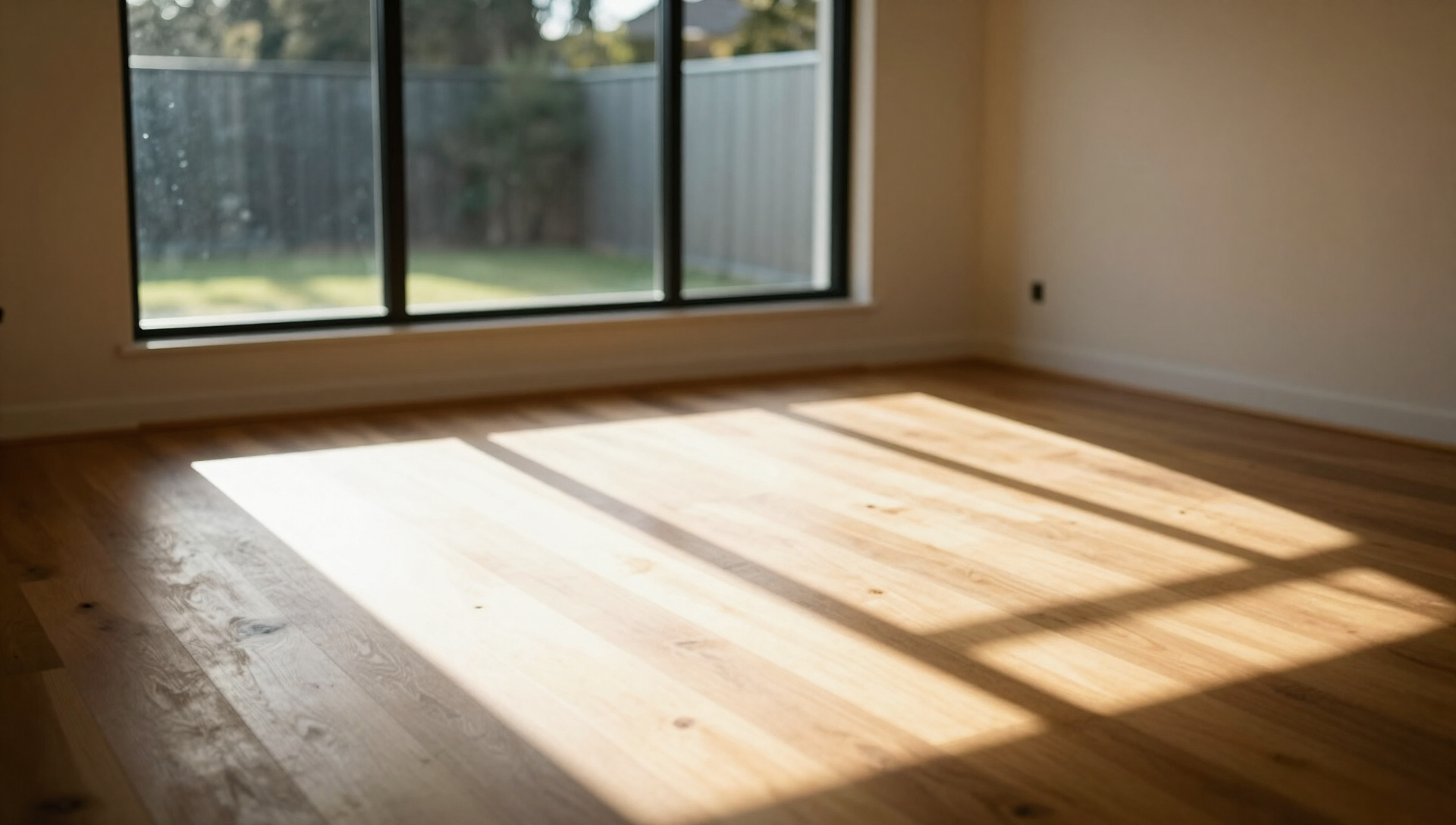
Hampton’s bayside location brings cool winds off the water, making uninsulated floors feel icy in winter. Underfloor insulation addresses this by blocking air movement through the subfloor and adding a layer of thermal resistance that improves comfort and reduces heating demand.
Insulation batts between the joists stop cold air rising through the floorboards, so your feet stay warm and rooms heat up faster. This is especially noticeable in older Hampton homes with poor sealing under the floor.
A well-insulated subfloor blocks gaps that let in cold air and dust from the crawl space. This improves indoor air quality and stops the chill that often lingers at floor level.
By reducing heat loss through the floor, your heater runs less often to maintain the same temperature. Over a Melbourne winter this adds up to measurable savings on energy bills.
Insulation slows the rate of heat transfer, so rooms stay warmer for longer after the heater turns off. This evens out temperature swings and reduces the need for constant heating.
Properly installed underfloor insulation includes a vapour barrier where needed to manage moisture from the ground. This prevents condensation on cold surfaces and protects the timber structure.
Access is through the subfloor, so there is no need to remove floor coverings or disrupt the living space. The work is done from below, with only small access points required.
Installing underfloor insulation in Hampton starts with a thorough inspection of the subfloor to check joist spacing, clearance and any existing material. The team then fits the chosen batts snugly between the joists, ensuring full coverage and no gaps.
The first step is to inspect the subfloor for access, joist spacing and any obstructions like pipes or wiring. Old or damaged insulation is removed, and the area is cleaned to ensure a dust-free installation.
For Hampton’s climate, underfloor R-values typically range from R1.5 to R2.5. Glasswool, polyester and rockwool batts are all suitable, with polyester often preferred for its moisture resistance and itch-free handling.
Batts are cut to size and friction-fitted between the floor joists, ensuring a snug fit with no gaps or compression. They are held in place by the joists themselves, with no staples or adhesives needed.
Any remaining gaps around pipes or edges are sealed with appropriate tape or foam. The installation is checked for full coverage, and access points are secured to keep pests out.
Hampton’s mix of older weatherboard and brick veneer homes often have suspended timber floors that lack insulation. This leaves them vulnerable to cold floors and draughts, especially with the cool bayside breezes. Underfloor insulation is a practical upgrade that improves comfort without major renovations.
Stop cold floors and draughts in Hampton with underfloor insulation installed under suspended timber floors.
Homeowners in Hampton often ask about the practicalities of underfloor insulation, from access and cost factors to the best materials for their home.
Underfloor insulation in Hampton addresses the common problem of cold floors in homes with suspended timber flooring. By installing thermal batts between the floor joists in the subfloor, it creates a barrier that reduces heat loss through the floor and blocks draughts rising through gaps in the floorboards. This is particularly effective in Hampton, where cool winds from Port Phillip Bay can make uninsulated floors feel icy, even when the heating is on.
The process begins with an inspection of the subfloor to assess access, joist spacing and any existing insulation. Old or compressed batts are removed, and the area is cleaned before new material is installed. Glasswool, polyester and rockwool are all suitable for underfloor use, with R-values typically between R1.5 and R2.5. Polyester is often chosen for its moisture resistance and ease of handling, while glasswool and rockwool offer excellent thermal performance at a lower cost.
Costs for underfloor insulation in Hampton depend on the size of the area, access to the subfloor, the chosen R-value and whether old material needs to be removed. A typical installation takes a day or less, with minimal disruption to the home. The result is warmer floors, fewer draughts and lower heating bills, making it a worthwhile investment for older homes in the area.
Stop cold floors and draughts in your Hampton home with underfloor insulation. Call Expert Insulation Melbourne on 0399695249 or email info@expertinsulationmelbourne. com. au to arrange a quote.