
Stops draughts through brick veneer walls
Uninsulated cavities create a path for outside air to move through the wall. Insulation blocks this airflow, eliminating cold draughts and making rooms feel warmer without turning up the heater.
Brick Veneer Specialists
Cavity wall insulation in Hampton fills the gap between the outer brick leaf and inner wall in brick veneer homes. This stops draughts and cuts winter heat loss through walls, a common issue in Hampton’s older brick veneer houses near the bay.
Share your details and Expert Insulation Melbourne will contact you about Cavity Wall Insulation in Hampton.
Cavity wall insulation is injected into the hollow space between the two layers of a brick veneer wall. It suits many Hampton homes built from the 1960s onwards with this construction. The installer drills small holes in the mortar, inserts a nozzle and fills the cavity with insulation material, then patches the holes to match the existing brickwork.
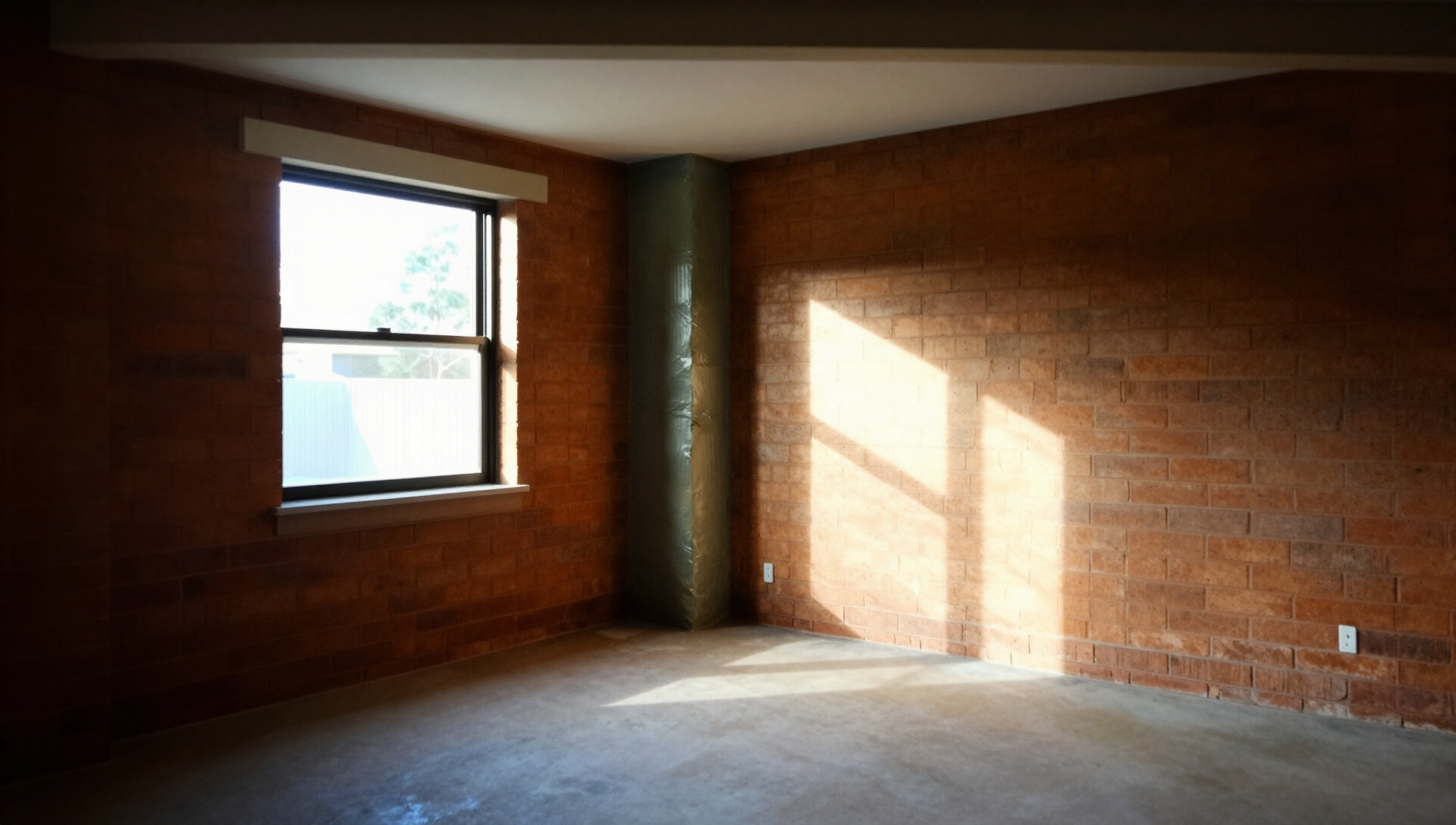
Hampton’s brick veneer homes often have uninsulated wall cavities that let cold air in during winter and allow heat to escape. Filling this gap improves comfort and reduces reliance on heating, which matters in a suburb exposed to cold southerly winds off the bay.
Uninsulated cavities create a path for outside air to move through the wall. Insulation blocks this airflow, eliminating cold draughts and making rooms feel warmer without turning up the heater.
Brick veneer walls without insulation lose heat rapidly. Cavity insulation adds thermal resistance, slowing the transfer of heat from inside to out and keeping living areas more consistently warm.
With less heat escaping through walls, your heating system runs for shorter periods. This directly reduces energy use and power bills, especially in older Hampton homes with poor wall insulation.
The process is done from the outside, with only small holes in the mortar that are colour-matched and sealed. There is no need to remove internal linings or disrupt the household.
Insulation in the cavity also dampens external noise, reducing traffic sounds from nearby roads like Beach Road and making the home quieter.
Many Hampton brick veneer houses were built without wall insulation. Retrofitting cavity insulation is a permanent upgrade that improves comfort and efficiency for the life of the home.
The installation follows a precise sequence to ensure the cavity is fully filled without damaging the wall. A pre-installation check confirms the wall type is suitable and that there are no moisture issues.
The installer first checks the wall construction to confirm it is brick veneer with a clear cavity. They also look for signs of damp, efflorescence or existing damage that could affect the installation.
Small holes are drilled in the mortar joints at regular intervals, usually every 600 to 800 mm. These provide entry points for the insulation nozzle and are positioned to avoid visible brick faces.
A loose-fill or foam insulation material is pumped into the cavity through the holes. The installer works methodically from the bottom up to ensure the cavity is completely filled without gaps or voids.
Once the cavity is full, the holes are plugged with matching mortar and finished to blend with the existing brickwork. The site is left clean, with no internal mess or disruption.
Hampton has many brick veneer homes built from the 1960s to the 1990s, often with uninsulated wall cavities. These houses benefit from cavity wall insulation to reduce draughts and heat loss, particularly in winter when cold winds come off Port Phillip Bay. The process is quick, non-invasive and tailored to the suburb’s typical housing stock.
Filling the cavity in brick veneer walls to stop draughts and reduce heating costs in Hampton homes.
Homeowners in Hampton often ask about the suitability, process and benefits of cavity wall insulation for their brick veneer homes. Here are the key details.
Cavity wall insulation in Hampton targets the uninsulated gap in brick veneer walls, a common feature in many homes built from the 1960s onwards. This gap allows cold air to enter and warm air to escape, leading to draughts and higher heating costs. Filling the cavity with insulation blocks this airflow, improving thermal performance and comfort.
The process is carried out from the exterior, with small holes drilled in the mortar joints to inject insulation material into the cavity. These holes are then sealed to match the existing brickwork, leaving no visible trace. This method is ideal for Hampton’s brick veneer homes, as it requires no internal work and causes minimal disruption.
For Hampton residents, cavity wall insulation is a practical solution to reduce energy bills and enhance comfort. It is particularly effective in older homes where wall insulation was not originally installed. The upgrade also helps dampen external noise, making the home quieter and more enjoyable to live in.
If your Hampton home has brick veneer walls, cavity insulation can reduce draughts and heating costs. Call Expert Insulation Melbourne on 0399695249 or email info@expertinsulationmelbourne. com. au to discuss your options.